General surgeon for Attock
In along the GT Road through Hasan Abdal and Taxila, or on the motorway from Burhan. Satellite Town is inside ninety minutes from most of Attock district, which makes a single trip for consultation and surgery realistic for many patients.
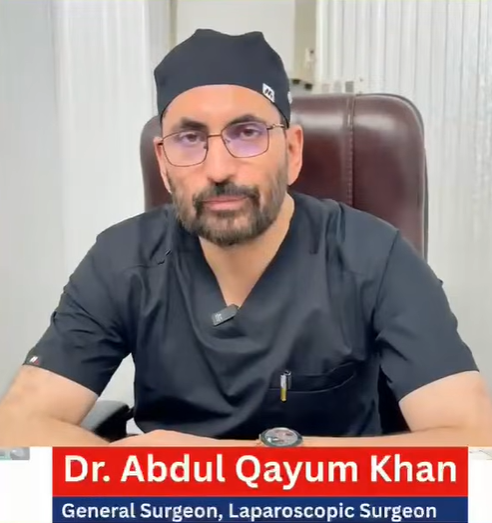
Close enough for one trip, in most cases
Attock sits on the main corridor between Rawalpindi and Peshawar, which makes the journey in one of the more straightforward in this catchment. From Attock city, Hazro, Hasan Abdal and Kamra the run along the GT Road or the motorway is usually inside ninety minutes. From Fateh Jang it is shorter still. From Pindi Gheb and Jand the approach takes longer and most patients allow a good two hours.
Health Care Hospital is on Holy Family Road in Block F New Katarian, Satellite Town, just off Murree Road on the Islamabad side of Rawalpindi. Coming in from the Attock direction you arrive on that side of the city without crossing the old center, which is why patients from this corridor usually find the trip easier than they expect.
The surgery itself is the same for an Attock patient as for anyone else: gallbladder removal through a single incision of 1 to 2.5 cm, with no carbon dioxide pumped into the abdomen and no abdominal muscle divided. Most units use four incisions and gas, which works but leaves patients with referred shoulder and chest pain for days afterwards. Without insufflation that does not occur, and because muscle is never cut the risk of a port site hernia later is close to zero.
Routes
Coming in from the district
From Attock city and Attock Khurd the usual route is the GT Road east through Hasan Abdal, Wah Cantt and Taxila, then in along the same road to Golra and across. Alternatively join the motorway at Burhan and come in via Tarnol or the Islamabad side, which is often quicker when the GT Road is heavy with freight.
From Hazro the road down to the GT Road and then east is the standard approach.
From Hasan Abdal, which is effectively the junction for this whole corridor, it is a straight run in and one of the shortest journeys of any out of town patients.
From Kamra the GT Road is immediate, so the journey is similarly short.
From Fateh Jang patients come across towards Tarnol and the Islamabad side, which avoids the GT Road traffic entirely.
From Pindi Gheb and Jand, the longer run, patients generally come via Fateh Jang or back out to the GT Road depending on where they start.
Tell the clinic where you are coming from
That single detail shapes the operating slot, whether an overnight bed is reserved and how your follow up is handled. Call 0336 593 5765 or send it on WhatsApp when you book.
Planning
One trip or two
At this distance one trip is realistic for a good proportion of patients, and the way to find out is to send your ultrasound report and any recent blood tests ahead on WhatsApp before you travel. With those in hand the clinic can tell you whether the picture looks straightforward, and where it does, consultation, assessment and surgery can usually be arranged within a single short stay.
Where it will not work in one trip: abnormal liver function tests, a bile duct that looks dilated on your scan, or a cardiac or diabetic issue that needs attention first. Those require further imaging or an anesthetic review, and squeezing that into one visit is not safe. You will be told before you set off rather than after you arrive.
What cannot be done on the strength of a photograph is the examination and the consent. The pattern of your symptoms changes the decision as much as the scan does, so you will be seen in person before any operation.
Same day discharge from this distance
Under ninety minutes is workable for same day discharge, provided the operation is early enough that you are traveling home in daylight, you are going by private car, and somebody responsible is with you. For Pindi Gheb and Jand, where the journey is longer, an overnight stay is usually the better plan.
Overnight is also the right call regardless of distance for older patients, anyone with significant heart or lung disease, poorly controlled diabetes, and any operation that proved harder than expected. That decision is made on the day by how you actually are.
The district
Who comes in from this corridor
Attock district has a working population weighted towards industry and services in a way that shapes what turns up in the OPD. The refinery, the aeronautical complex at Kamra, the cement and quarrying operations, transport along one of the busiest freight corridors in the country, and agriculture across the Chach plain around Hazro all involve physical work.
That produces two things consistently. The first is hernias, frequently left for years because the bulge was tolerable and taking time off was not. The second is men with gallstones who delay surgery because they cannot afford several weeks away from physically demanding work, and who then present as an emergency with an infected gallbladder, which costs them far more time than the planned operation would have.
Both have the same practical answer, which is to be seen early and to plan the date rather than have it chosen for you. For a hernia repair the lifting restriction afterwards is four to six weeks, which is the figure that determines whether the repair lasts, so it is worth planning around a quieter period rather than cutting short. For gallbladder removal through a single incision, with no muscle divided, recovery is quicker, though how much quicker varies from one person to the next.
Say what your work actually involves at the consultation. A man who drives and loads his own vehicle has a different recovery plan from one who sits at a desk in Kamra, and the timing of the operation can be arranged around it rather than fought against afterwards.
Road trauma on this corridor
The GT Road through Attock carries heavy freight and sees a significant number of serious accidents. Two consequences show up here. Blunt abdominal injury needs proper assessment rather than being sent home because the patient is walking, since bleeding from the liver or spleen does not always declare itself immediately. And pelvic fracture can tear the urethra, producing a stricture that presents months or years later as a weak stream the patient puts down to age. If you were injured in an accident and your urinary flow has deteriorated since, bring the records from that original admission.
Afterwards
Follow up without a second journey
Everyone is reviewed at about a week so the wound can be looked at and the histopathology report on the removed gallbladder discussed, which is sent as routine on every specimen. Whether you make that journey in person is a separate question.
Where the wound is healing as expected, a photograph taken in good daylight and sent on WhatsApp does the job, and the laboratory result is gone through on the telephone. Absorbable sutures mean there is nothing to come back and have taken out. Patients who are passing through Rawalpindi anyway, which on this corridor a good number are, usually prefer to call in.
A photograph is not enough when something is actually wrong. Redness spreading outward from the wound, discharge, or pain that is increasing rather than settling all need hands and eyes on them. Get seen in Attock or Hasan Abdal the same day and telephone the clinic from there, so your surgeon can speak directly to whoever is treating you rather than hearing about it a week later.
Be seen where you are rather than driving in
Fever with shaking chills, yellowing of the eyes or skin, pain worsening each day instead of settling, persistent vomiting, a hard swollen abdomen, or breathlessness. Go to the nearest hospital and telephone 0336 593 5765 from there.
Questions
From patients in Attock district
How long is the journey really?
Inside ninety minutes from Attock city, Hazro, Hasan Abdal and Kamra in normal conditions. Shorter from Fateh Jang. Allow a good two hours from Pindi Gheb and Jand. The motorway from Burhan is often quicker than the GT Road when freight traffic is heavy.
Can everything be done in one visit?
Often yes at this distance, if you send the ultrasound report and recent blood tests ahead so the clinic can see whether the picture is straightforward. Abnormal liver tests, a dilated bile duct or a cardiac or diabetic issue mean more investigation first, and you will be told that before you travel.
Can I go home the same evening?
Usually yes from the GT Road side of the district, provided the operation is early enough that you travel in daylight, you are going by private car and someone is with you. From Pindi Gheb and Jand an overnight stay is the better plan.
What do I need to organize before traveling in?
Count the fasting window from when you leave home rather than when you arrive, six hours without food and two without clear fluids, because eating on the road means a postponed operation. Bring one adult who can stay with you for twenty four hours rather than someone who drops you and drives back. Bring the scan report and films, any previous operation notes, and the actual medicine boxes.
Is it safe to come back by bus or wagon?
Not on the day of surgery. You will be drowsy, you need someone with you, and a crowded vehicle with no way to stop is the wrong place to be. After an overnight stay and a morning review it is usually reasonable.
Do I need to return to have stitches removed?
No. The sutures are absorbable, and the wound check can usually be done by sending a clear photograph on WhatsApp.
Can my own doctor in Attock do the follow up?
Yes. Take your discharge summary and operation note with you so they know exactly what was done, and the clinic is happy to speak with them directly if anything needs discussing.
Send the report before you set off
A photograph of your ultrasound report on WhatsApp lets the clinic tell you whether this takes one trip or two, and whether you need surgery at all.